
Imagine biting into a crisp cucumber and juicy tomato, the vibrant colors dancing on your plate like a summer festival. With each forkful of Greek salad, the briny feta cheese and tangy olives create a symphony of flavors that transport you to sun-drenched Mediterranean shores, where every meal is a celebration of freshness and zest.
This delightful dish holds a special place in my heart, reminding me of lazy afternoons spent with friends, laughing over shared stories and bowls overflowing with these vibrant ingredients. Whether it’s a backyard barbecue or a casual family dinner, enjoying Greek salad promises an unforgettable flavor experience that brings everyone together, making ordinary moments feel extraordinary.
Why Is greek salad So Irresistibly Good?
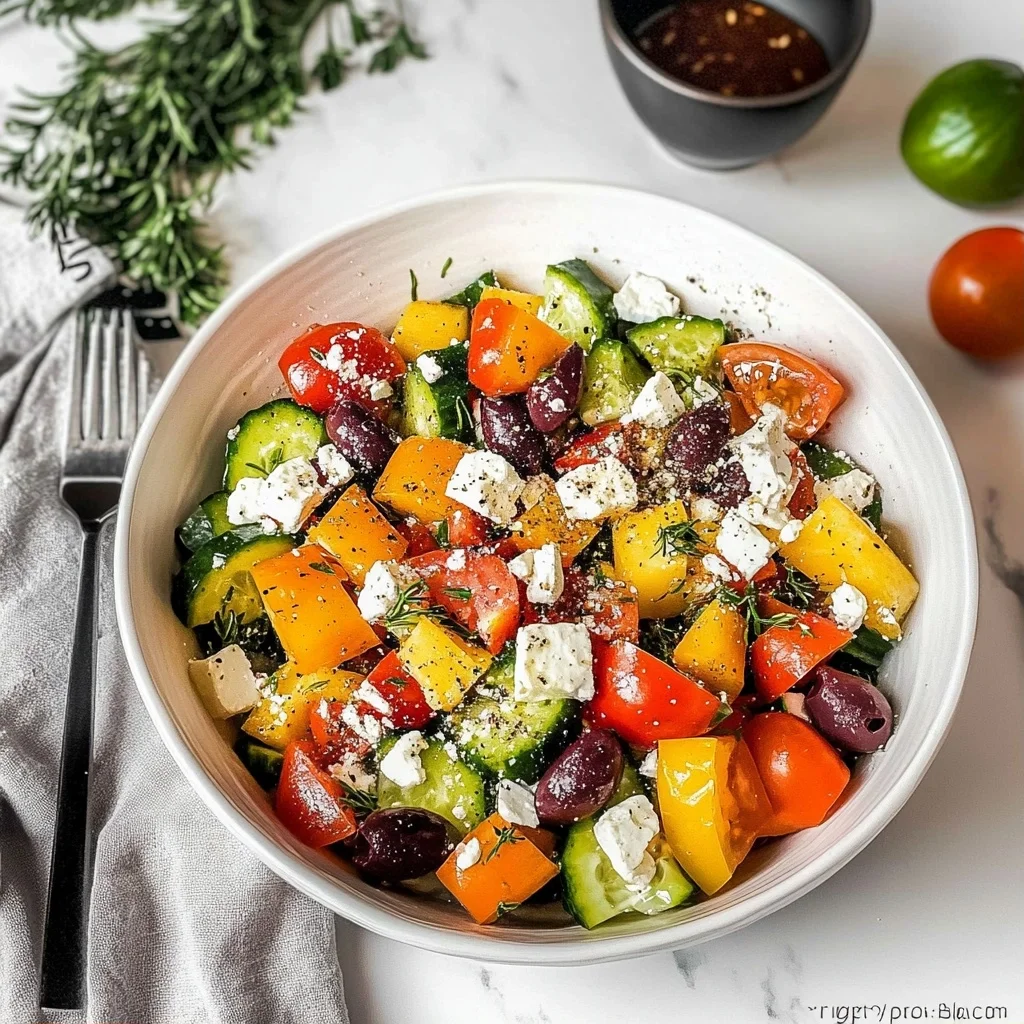
Freshness is key! This Greek salad bursts with vibrant cucumbers and juicy tomatoes, offering a refreshing crunch in every bite.
Creamy feta perfectly complements the tangy kalamata olives, creating a delightful flavor explosion that’s hard to resist.
Easy to prepare, this no-cook dish takes just 15 minutes, making it an ideal choice for busy weeknights or last-minute gatherings.
Versatile and colorful, you can easily customize it with your favorite vegetables or herbs, ensuring it never gets boring!
Crowd-pleaser alert! Whether you’re serving it at a family dinner or a summer picnic, everyone will adore this Mediterranean classic.
Ingredients for greek salad
For the Vegetables
- 2 cups cucumber (diced) – Fresh cucumbers add a crunchy texture and refreshing taste to the salad.
- 2 cups tomatoes (diced) – Juicy tomatoes bring vibrant color and a sweet-tart flavor that brightens the dish.
- 1 cup red onion (thinly sliced) – Sliced red onion provides a mild sweetness and sharpness, enhancing the overall taste.
- 1 cup bell pepper (diced) – Bell peppers contribute a crisp bite and colorful appearance, making this greek salad visually appealing.
For the Cheese and Olives
- 1 cup feta cheese (crumbled) – Creamy feta adds rich flavor and a salty kick, essential for an authentic greek salad.
- 1/2 cup kalamata olives (pitted and halved) – These briny olives introduce depth and complexity, perfectly complementing the fresh vegetables.
For the Dressing
- 1/4 cup olive oil – Quality olive oil is key for a smooth dressing, enhancing the flavors of all ingredients in your greek salad.
- 2 tablespoons red wine vinegar – This tangy vinegar balances the richness of the olive oil with its zesty notes.
- 1 teaspoon dried oregano – Dried oregano brings an earthy aroma that’s quintessential in Mediterranean recipes.
- 1 teaspoon salt (to taste) – Salt enhances all flavors; adjust to your personal preference for this delicious salad.
- 1/2 teaspoon black pepper (to taste) – Freshly cracked black pepper adds warmth and slight spice to round out the dressing’s flavor profile.
How to Make greek salad

1. Dice the vegetables: Start by dicing the 2 cups of cucumber and 2 cups of tomatoes into vibrant, bite-sized pieces. Thinly slice 1 cup of red onion and dice 1 cup of bell pepper for a colorful crunch.
2. Combine ingredients: In a mixing bowl, gently combine the diced cucumber, tomatoes, red onion, bell pepper, 1 cup of crumbled feta cheese, and 1/2 cup of pitted and halved kalamata olives. The medley should look fresh and inviting!
3. Make the dressing: In a small bowl, whisk together 1/4 cup of olive oil, 2 tablespoons of red wine vinegar, 1 teaspoon of dried oregano, and season with 1 teaspoon of salt and 1/2 teaspoon of black pepper. This will elevate your salad with bold flavors.
4. Dress the salad: Pour the homemade dressing over the salad mixture and toss gently to combine. Ensure every ingredient is coated in that delicious blend—this should take just a minute or two.
5. Serve immediately: You can serve your refreshing greek salad right away or let it chill in the refrigerator for about 30 minutes to allow the flavors to meld beautifully.
Optional: Garnish with extra feta or a sprinkle of fresh herbs for an added touch!
Exact quantities are listed in the recipe card below.
Tips for the Best greek salad
- Cucumber Choice: Use English cucumbers for a crisp texture and less bitterness. Avoid overripe cucumbers to prevent sogginess.
- Tomato Freshness: Choose vine-ripened tomatoes for the sweetest flavor. Diced tomatoes should be firm, not mushy, to maintain salad structure.
- Onion Slicing: Thinly slice red onions to avoid overpowering flavors. Soak them in cold water for 10 minutes if they taste too strong.
- Feta Crumbling: Opt for block feta cheese instead of crumbled for better flavor absorption. Crumble it just before adding to retain freshness.
- Olive Quality: Select high-quality kalamata olives for richness. Rinse them if they’re brined to reduce saltiness in your greek salad.
- Dressing Ratio: Adjust olive oil and vinegar according to taste preference. Start with less vinegar and add gradually to find your perfect balance.
How to Store and Freeze greek salad
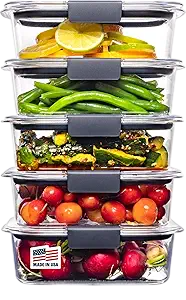
- Fridge: Store leftover greek salad in an airtight container for up to 3 days. Keep the dressing separate until ready to serve for optimal freshness.
- Vegetables: If you have prepped vegetables but haven’t mixed them, they can last in the fridge for up to 4 days, making meal prep a breeze.
- Freezer: While it’s not recommended to freeze the entire salad, you can freeze individual components like diced cucumbers or bell peppers for up to 2 months.
- Reheating: Enjoy your greek salad cold. If you’ve stored it with dressing, give it a gentle stir before serving to refresh the flavors!
greek salad Variations
Feel free to play with fresh ingredients and flavors to make this delightful dish your own!
- Herbed Cucumbers: Substitute fresh dill or parsley for a fragrant twist that brightens the cucumber’s crunch. A sprinkle of fresh herbs elevates the entire salad, adding layers of flavor.
- Sweet Tomatoes: Use heirloom or cherry tomatoes for a burst of sweetness. These colorful varieties not only look beautiful but also contribute varying textures and tastes.
- Spicy Peppers: Swap bell peppers for spicy jalapeños or banana peppers if you enjoy a little heat. This adds an exciting kick and complements the creamy feta perfectly.
- Zesty Olives: Try using green olives instead of kalamata for a different flavor profile. Their briny taste brings a unique tanginess that pairs wonderfully with the other ingredients.
- Creamy Feta: Opt for goat cheese or ricotta salata in place of feta for a creamier texture. Each cheese brings its own character, softening the salad’s overall bite while enhancing its richness.
- Onion Alternatives: Replace red onion with sweet Vidalia onions for a milder taste or shallots for subtle complexity. Both options will offer a gentler onion flavor without overpowering the dish.
- Nutty Addition: Toss in some toasted pine nuts or walnuts for an extra crunch. The nuts provide delightful texture and depth, making each bite satisfyingly rich.
- Citrusy Dressing: Add a splash of lemon juice to your dressing for a refreshing zing. This brightens every component and enhances the garden-fresh flavors beautifully.
Make Ahead Options

This Greek salad is an ideal choice for meal prep, allowing you to enjoy its vibrant flavors throughout the week. You can easily prepare the vegetables—2 cups diced cucumber, 2 cups diced tomatoes, 1 cup thinly sliced red onion, and 1 cup diced bell pepper—up to 24 hours in advance. Combine these fresh ingredients in a bowl along with 1 cup of crumbled feta cheese and 1/2 cup of halved kalamata olives. The dressing, made from 1/4 cup olive oil, 2 tablespoons red wine vinegar, 1 teaspoon dried oregano, and seasonings, can also be whisked together ahead of time and stored separately for up to 3 days. To serve, simply toss the vegetables with the dressing and allow it to sit for about 30 minutes so the flavors meld beautifully. This way, you save time while enjoying a delicious Greek salad that’s just as fresh as if you made it on the spot!
greek salad Questions Answered
What vegetables are essential for a traditional Greek salad?
For an authentic Greek salad, you’ll want to use fresh, vibrant ingredients: 2 cups of diced cucumbers, 2 cups of diced tomatoes, 1 cup of thinly sliced red onions, and 1 cup of diced bell peppers. This combination not only adds flavor but also provides a colorful presentation that makes this dish irresistible.
How should I store leftover Greek salad?
If you have leftovers, store them in an airtight container in the refrigerator. It’s best to consume the salad within 1-2 days for optimal freshness. The flavors will meld beautifully if you let it sit for about 30 minutes before serving again, but be aware that the cucumbers may become a bit soggy over time.
Can I freeze Greek salad?
Freezing Greek salad is not recommended due to the high water content in the vegetables. Freezing can cause them to lose their crisp texture and flavor. Instead, make only what you can enjoy within a few days. If you’re looking for something to prep ahead, consider freezing just the dressing separately.
How can I adapt this recipe for dietary restrictions?
If you’re looking to make this recipe dairy-free, simply omit the feta cheese or substitute it with a plant-based feta alternative. For those who are gluten-sensitive, rest assured that this Greek salad is naturally gluten-free! You can also add protein like grilled chicken or chickpeas for a heartier meal without compromising on taste.
What’s a good serving size for Greek salad?
This recipe yields about 4 servings, making it perfect as a side dish for family meals or gatherings. Each serving contains approximately 200 calories, making it a light yet satisfying option that pairs well with grilled meats or pita bread.
What can I use instead of kalamata olives?
If you don’t have kalamata olives on hand or prefer something milder, green olives or black olives can work beautifully as substitutes. Just ensure they’re pitted and halved to maintain the same texture and ease of eating in your delicious Greek salad!