
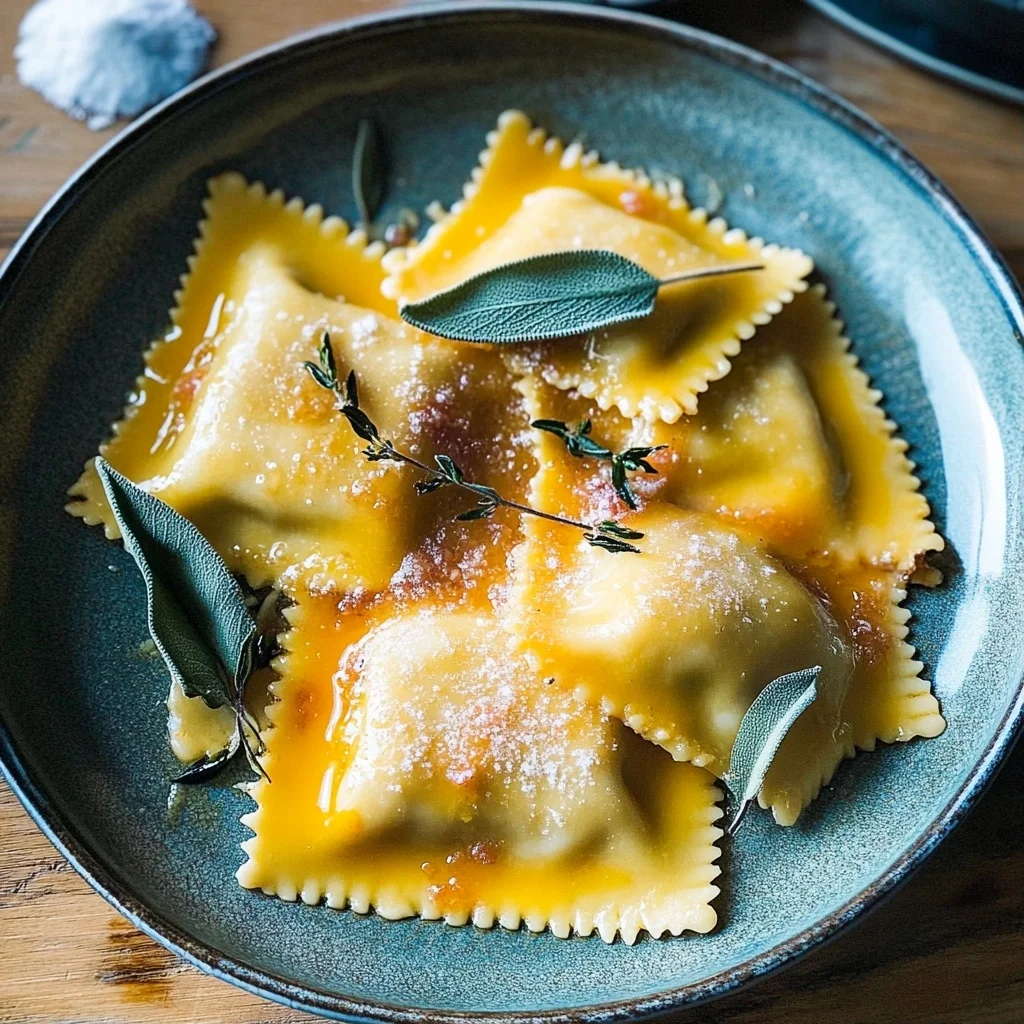
Imagine sinking your teeth into a delicate butternut squash ravioli, where the sweet, velvety filling dances with earthy sage and rich butter, creating a moment of pure bliss. The aroma wafts through the air, wrapping you in a warm embrace that’s just as comforting as a hug from your favorite aunt on a chilly evening.
Every bite transports me back to cozy family gatherings where laughter filled the room and plates were piled high with this seasonal delight. Perfect for autumn dinners or festive holidays, this dish promises an unforgettable flavor experience that will have your guests asking for seconds—and maybe even thirds!
Why Is butternut squash ravioli So Irresistibly Good?
Deliciously creamy filling made from roasted butternut squash, ricotta, and Parmesan creates a flavor explosion that’s hard to resist. Easy to make, this recipe comes together in just 30 minutes of prep and 20 minutes of cooking, making it perfect for busy weeknights or impressing guests. Unique nutmeg notes elevate the taste profile, while the sage brown butter sauce adds a rich, fragrant finish. Versatile enough to pair with your favorite sides or serve as a standalone dish, this butternut squash ravioli is sure to become a family favorite!
Ingredients for butternut squash ravioli
For the Pasta Dough
- 2 cups all-purpose flour – This forms the base of your ravioli, giving it structure and a delightful bite.
- 3 large eggs – Use room temperature eggs for better emulsification and a smoother dough.
- 1 teaspoon salt – Enhances the flavor of the pasta and balances the sweetness of the filling.
For the Filling
- 1 medium butternut squash (peeled and cubed) – Roasting this sweet vegetable intensifies its flavor, making a creamy filling perfect for your ravioli.
- 1 cup ricotta cheese (drained) – Adds creaminess and richness to the filling; make sure to drain excess moisture for best results.
- 1/2 cup Parmesan cheese (grated) – Provides a salty, nutty flavor that complements the butternut squash beautifully.
- 1 teaspoon nutmeg (freshly grated) – A warm spice that elevates the taste of your butternut squash ravioli with its aromatic notes.
- Salt to taste – Adjust according to your preference, especially if using salted cheeses.
- Pepper to taste – Adds a hint of heat that balances the sweetness of the squash filling.
For the Sauce
- 1/2 cup unsalted butter – The base of your sauce, which will brown beautifully to add depth and richness to each bite.
- 10 leaves fresh sage – Infuses an earthy aroma that pairs perfectly with nutty brown butter and enhances your ravioli’s flavor profile.
- 1 tablespoon olive oil – Helps prevent butter from burning while adding its own subtle flavor to the sauce.
- Salt to taste – Use sparingly, as both butter and cheese may contribute enough saltiness already.
How to Make butternut squash ravioli

1. Combine ingredients: In a mixing bowl, combine 2 cups of all-purpose flour and 1 teaspoon of salt. Make a well in the center and add 3 large eggs. Mix until a dough forms, feeling the textures come together.
2. Knead the dough: Knead the dough on a floured surface for about 10 minutes until it’s smooth and elastic. Wrap it in plastic wrap and let it rest for 30 minutes—this helps to relax the gluten for easier rolling.
Prepare the Filling:
3. Cook the squash: Steam or boil 1 medium butternut squash (peeled and cubed) until tender, which takes about 15 minutes. Drain well and mash in a bowl until creamy.
4. Mix in cheeses: Add 1 cup of drained ricotta cheese, 1/2 cup of grated Parmesan cheese, 1 teaspoon of freshly grated nutmeg, salt, and pepper to taste to the mashed squash. Mix thoroughly until well combined, creating a rich filling.
Roll and Fill the Ravioli:
5. Roll out dough: Roll out the rested pasta dough into thin sheets using a rolling pin, dusting with extra flour as needed to prevent sticking.
6. Place filling: On one sheet of pasta, place small mounds of filling, leaving enough space between each mound. Moisten the edges with water to help seal them later.
7. Seal the ravioli: Cover with another sheet of dough, pressing gently around each mound to eliminate air pockets. Cut out individual ravioli using a knife or pasta cutter, ensuring edges are sealed well for cooking.
Cook the Ravioli:
8. Boil water: Bring a large pot of salted water to a boil over medium-high heat. Cook ravioli in batches for about 4-5 minutes or until they float to the surface—a sign they’re ready!
9. Drain carefully: Remove cooked ravioli with a slotted spoon and drain in a colander while you prepare your sauce.
Make the Sauce:
10. Brown the butter: In a skillet over medium heat, melt 1/2 cup of unsalted butter until it starts to brown lightly. Add 10 fresh sage leaves and cook until both the butter is browned and sage is crispy—this will enhance your dish’s flavor beautifully.
11. Finish sauce: Drizzle in 1 tablespoon of olive oil and season with salt to taste. Toss your cooked butternut squash ravioli gently in this aromatic sauce before serving for an exquisite finish.
Optional: Garnish with extra Parmesan cheese for added richness!
Exact quantities are listed in the recipe card below.
Tips for the Best butternut squash ravioli
- Dough Consistency: Ensure your pasta dough is smooth and elastic. If it’s too dry, add a drop of water; if too sticky, incorporate more flour.
- Room Temperature Eggs: Using eggs at room temperature helps create a more pliable dough, making it easier to roll out for your butternut squash ravioli.
- Filling Texture: Mash the butternut squash thoroughly before mixing in other ingredients. A smooth filling prevents tearing the pasta when sealing.
- Sealing Ravioli: Moisten edges with water before sealing to prevent them from opening during cooking. Press firmly to ensure a tight seal.
- Cooking Time: Keep an eye on the cooking time; overcooking can make ravioli soggy. They should float when done—about 4-5 minutes is perfect.
- Sauce Timing: Prepare the sage brown butter sauce while the ravioli cook to ensure everything is hot and ready to serve immediately.
How to Store and Freeze butternut squash ravioli
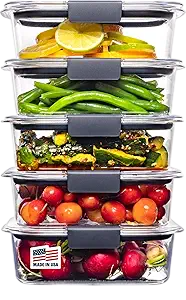
- Fridge: Store fresh butternut squash ravioli in an airtight container for up to 3 days. Sprinkle a little flour to prevent sticking.
- Freezer: For longer storage, freeze uncooked ravioli on a baking sheet until firm, then transfer to a freezer-safe bag for up to 3 months.
- Reheating: Cook frozen butternut squash ravioli directly from the freezer in boiling water for about 4-5 minutes until tender.
- Leftovers: If you have leftover cooked ravioli, keep them in the fridge for up to 2 days and reheat gently in a skillet with a splash of water or sauce.
butternut squash ravioli Your Way
Feel free to let your creativity shine by customizing this delightful dish to suit your taste buds!
- Gluten-Free: Substitute all-purpose flour with a gluten-free blend, ensuring a similar texture for the pasta. This twist allows those with dietary restrictions to indulge without sacrificing flavor or joy.
- Herbed Dough: Incorporate fresh herbs like basil or thyme into the pasta dough for an aromatic twist. A hint of rosemary can transform each bite, enhancing the overall experience with an earthy touch.
- Pumpkin Filling: Swap butternut squash for pumpkin puree for a slightly different flavor profile. The creamy texture remains, but you’ll enjoy a more robust pumpkin essence that pairs beautifully with nutmeg.
- Spicy Kick: Add a pinch of crushed red pepper flakes to the filling for a warm, spicy note. This subtle heat will elevate the dish and surprise your palate in every bite.
- Vegan Option: Replace eggs with aquafaba (chickpea water) and use cashew cheese instead of ricotta. This version maintains creaminess while being entirely plant-based, making it perfect for vegan diners.
- Cheesy Twist: Mix in some goat cheese or feta with the ricotta for a tangy flavor boost. This small change adds complexity and richness, creating a delightful contrast to the sweet butternut squash.
- Savory Sauce: Try adding minced garlic or shallots to the sage brown butter sauce for extra depth. This addition creates layers of flavor that harmonize beautifully with the sweetness of the ravioli.
Make Ahead Options
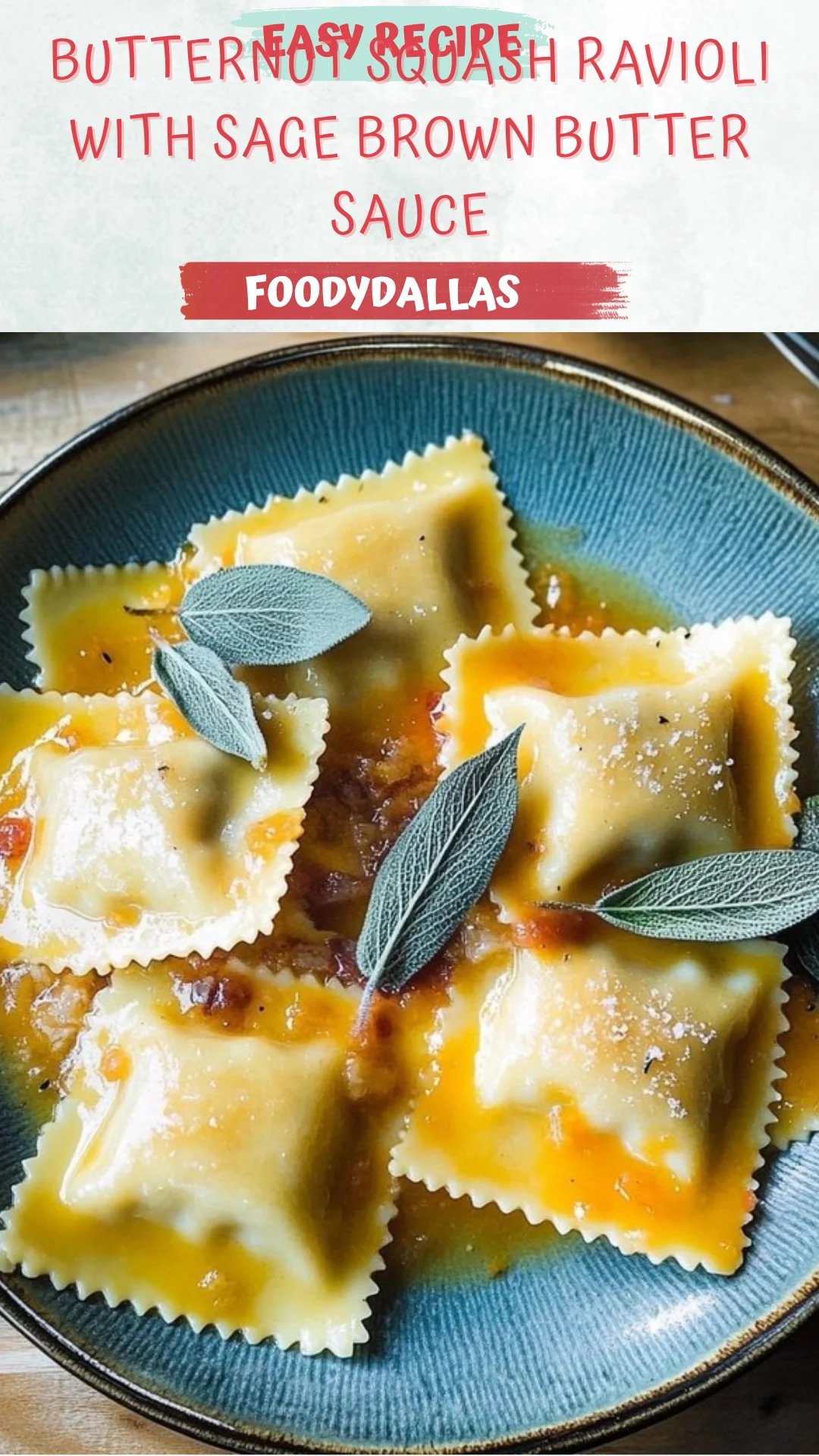
This butternut squash ravioli recipe is a fantastic choice for meal prep, allowing you to savor homemade pasta at any time. You can prepare the pasta dough using 2 cups of all-purpose flour, 3 large eggs, and 1 teaspoon of salt a day in advance; just wrap it tightly in plastic wrap after kneading and let it rest. The filling can also be made ahead by steaming or boiling 1 medium butternut squash until tender, mashing it, and then mixing with 1 cup of drained ricotta cheese, ½ cup of grated Parmesan cheese, and seasonings. Store this filling in the refrigerator for up to 3 days. When you’re ready to enjoy your homemade butternut squash ravioli, simply roll out the dough and fill the ravioli as directed. After cooking them in boiling salted water for about 4-5 minutes and preparing the sage brown butter sauce with ½ cup of unsalted butter, fresh sage leaves, olive oil, and seasoning, you’ll have a delightful meal ready to serve!
butternut squash ravioli Recipe FAQs
What type of flour is best for making pasta dough?
All-purpose flour works wonderfully for homemade pasta, providing a good balance of structure and softness. If you’re feeling adventurous, you can also experiment with “00” flour, which is finer and yields an even silkier dough.
How can I tell when my butternut squash is cooked?
You’ll know your butternut squash is ready when it’s fork-tender, typically after about 15 minutes of steaming or boiling. The pieces should be soft enough to mash easily, making it perfect for mixing into that creamy filling.
Can I freeze the uncooked ravioli?
Absolutely! Once you’ve shaped your ravioli, lay them out in a single layer on a baking sheet and freeze until solid. Then transfer them to a freezer bag. They can be stored this way for up to 3 months. Just cook them from frozen, adding an extra minute or two to the cooking time.
What can I use instead of ricotta cheese in the filling?
If you’re looking for an alternative to ricotta, cottage cheese works well too—just make sure to drain it thoroughly! Alternatively, mascarpone cheese can add a richer flavor and creaminess if you want something indulgent.
How do I store leftover butternut squash ravioli?
If you have any leftovers, simply place them in an airtight container and refrigerate for up to 2 days. When you’re ready to enjoy them again, reheat gently in a skillet with a bit of butter or olive oil to ensure they stay tender.
What should I serve with my butternut squash ravioli?
These delightful ravioli pair beautifully with a simple green salad or some roasted vegetables. A sprinkle of extra Parmesan on top can elevate the dish even further. Each serving contains about 350 calories, so feel free to indulge without guilt!
Pin This Recipe for Later
Love this recipe? Save this pin to your Pinterest board so you have it ready whenever you need it!